

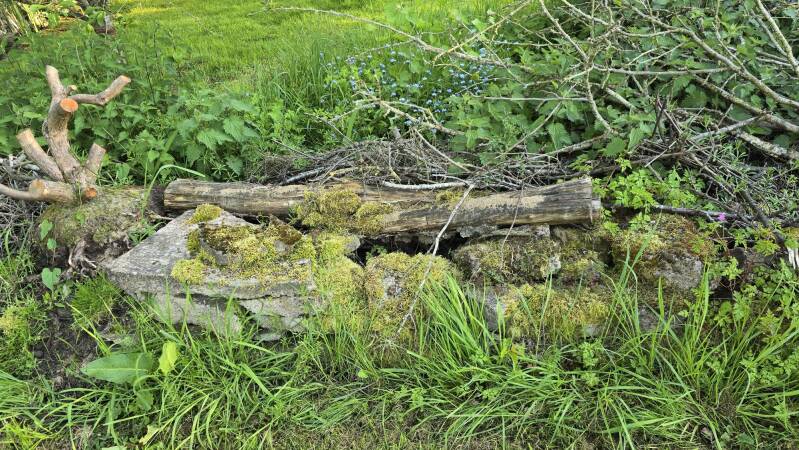
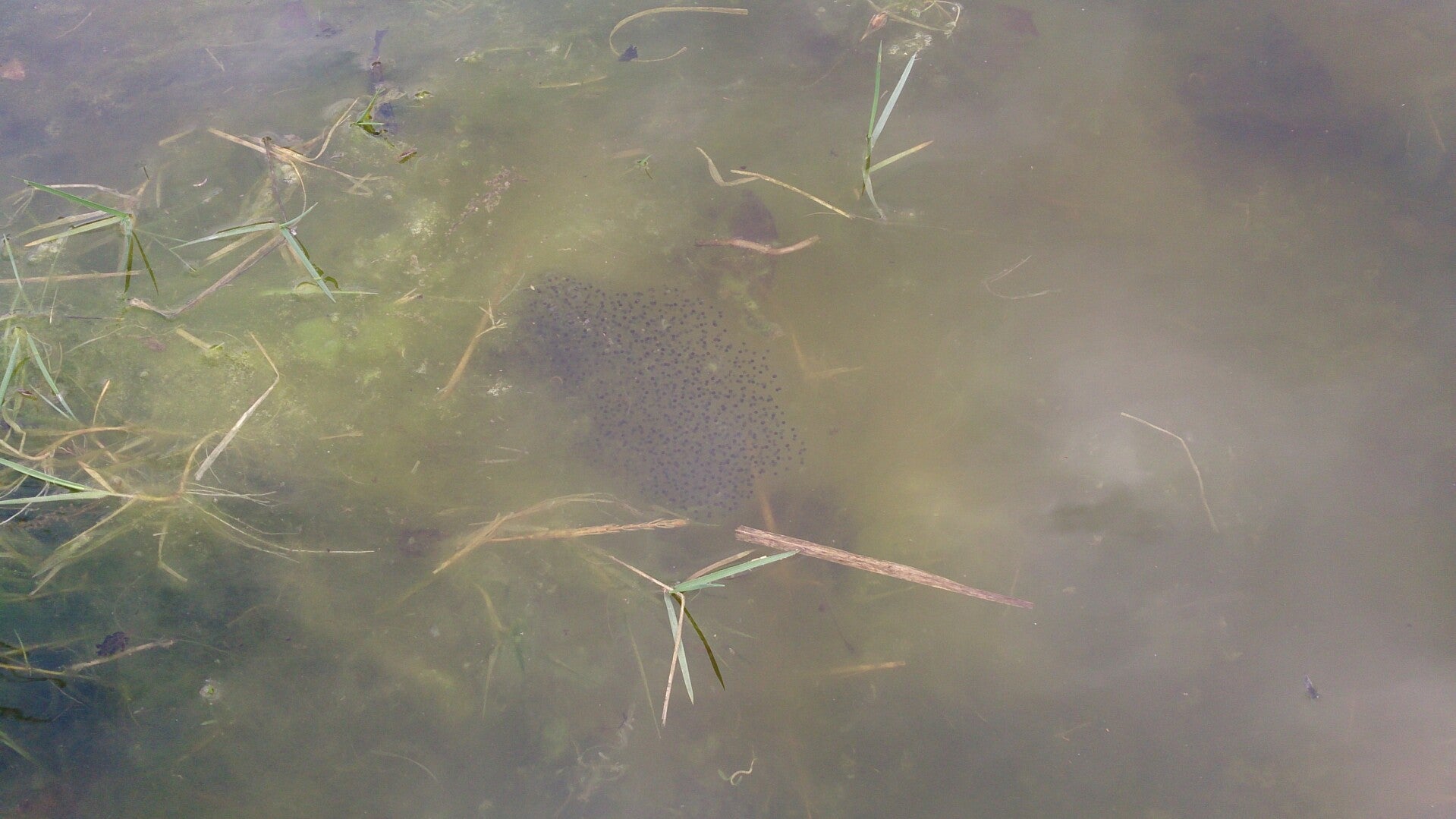
I think the above two images taken in May 2026 tell a story of rewilding and for me the success of the project. It has taken a while for plants, lichens, mosses to get established and a variety animals to move in. These pictures are very satisfying as they encapsulate the journey of denatured and overgrazed soil to vibrant wildlife haven.


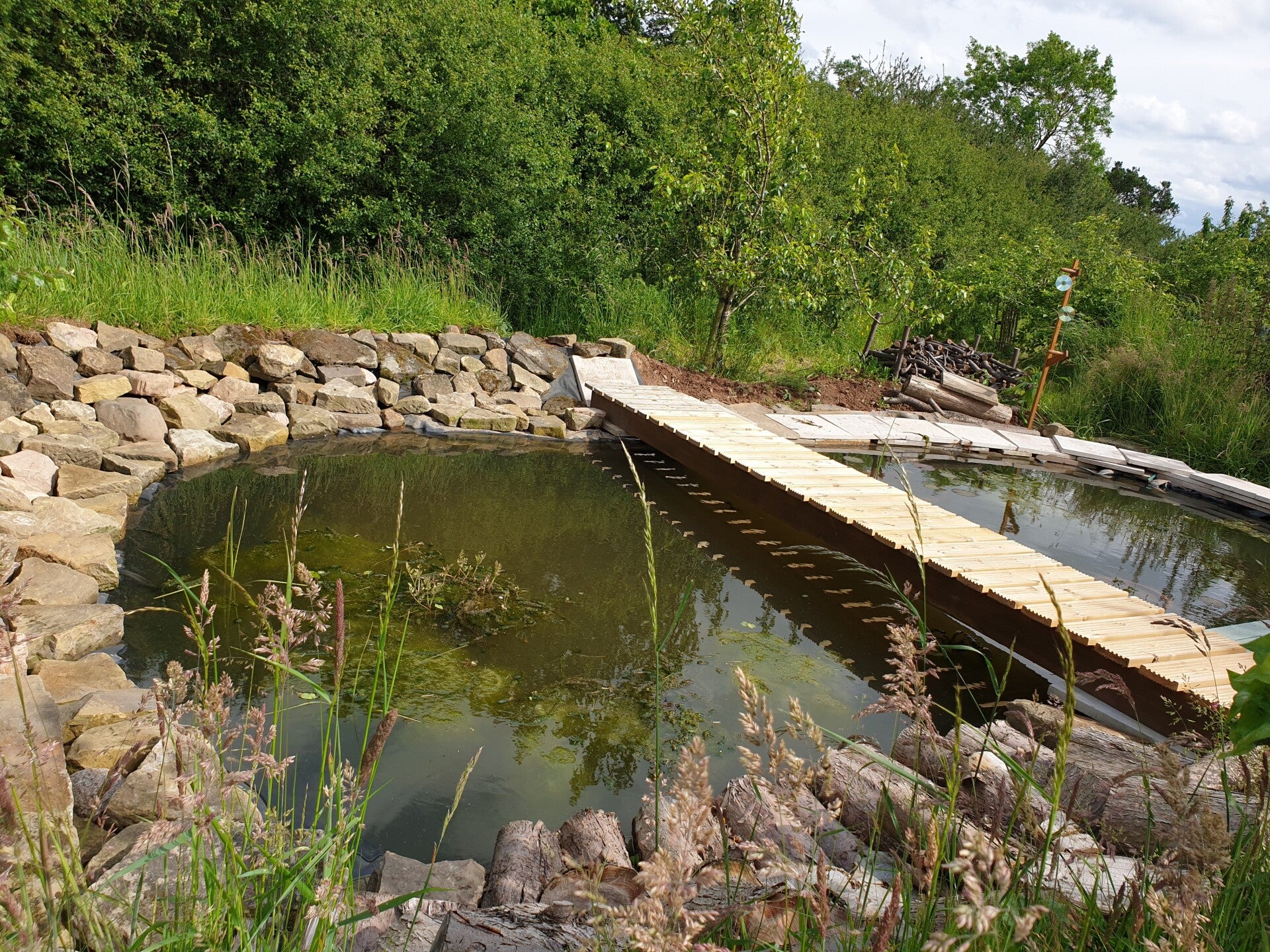


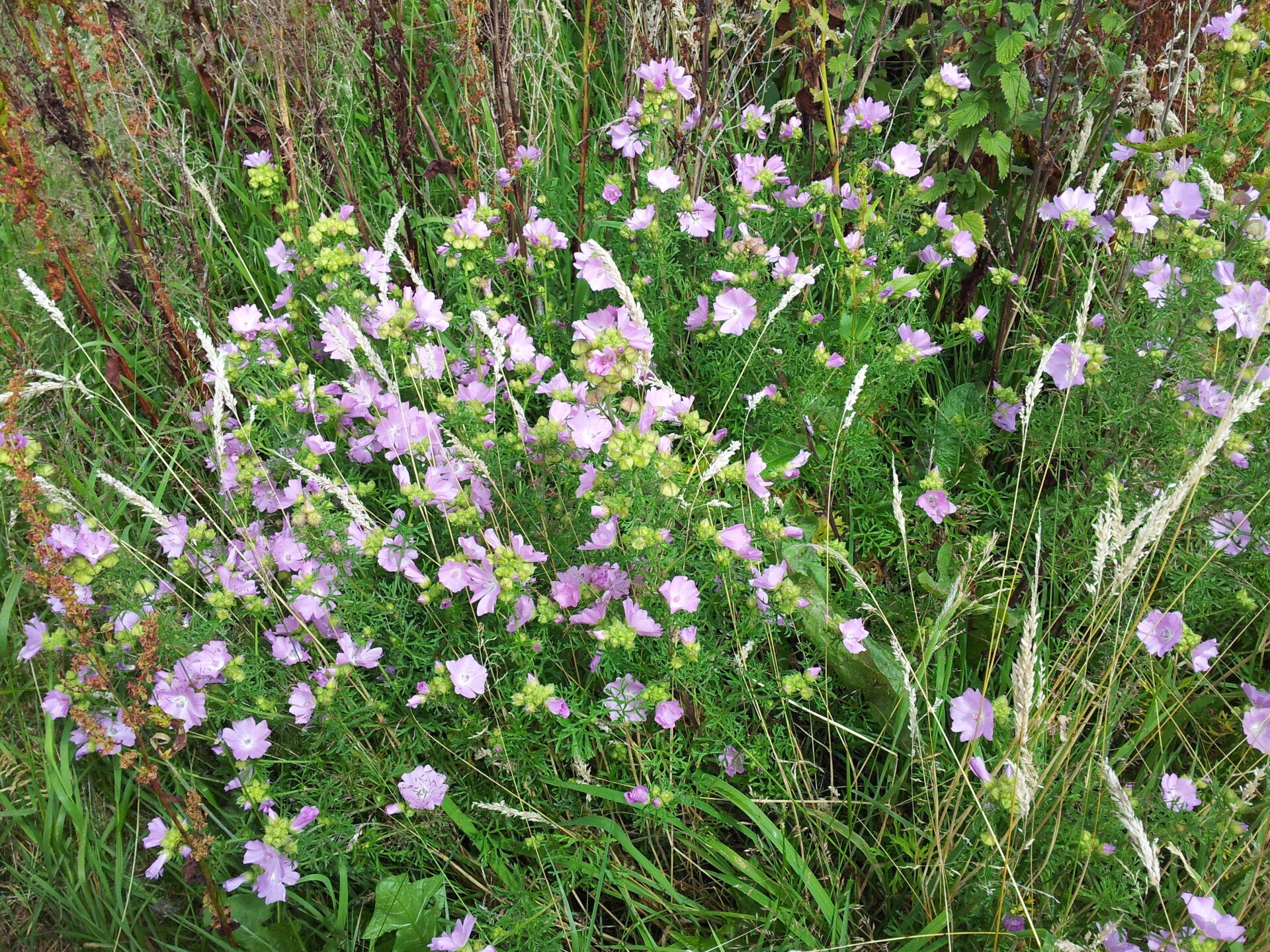
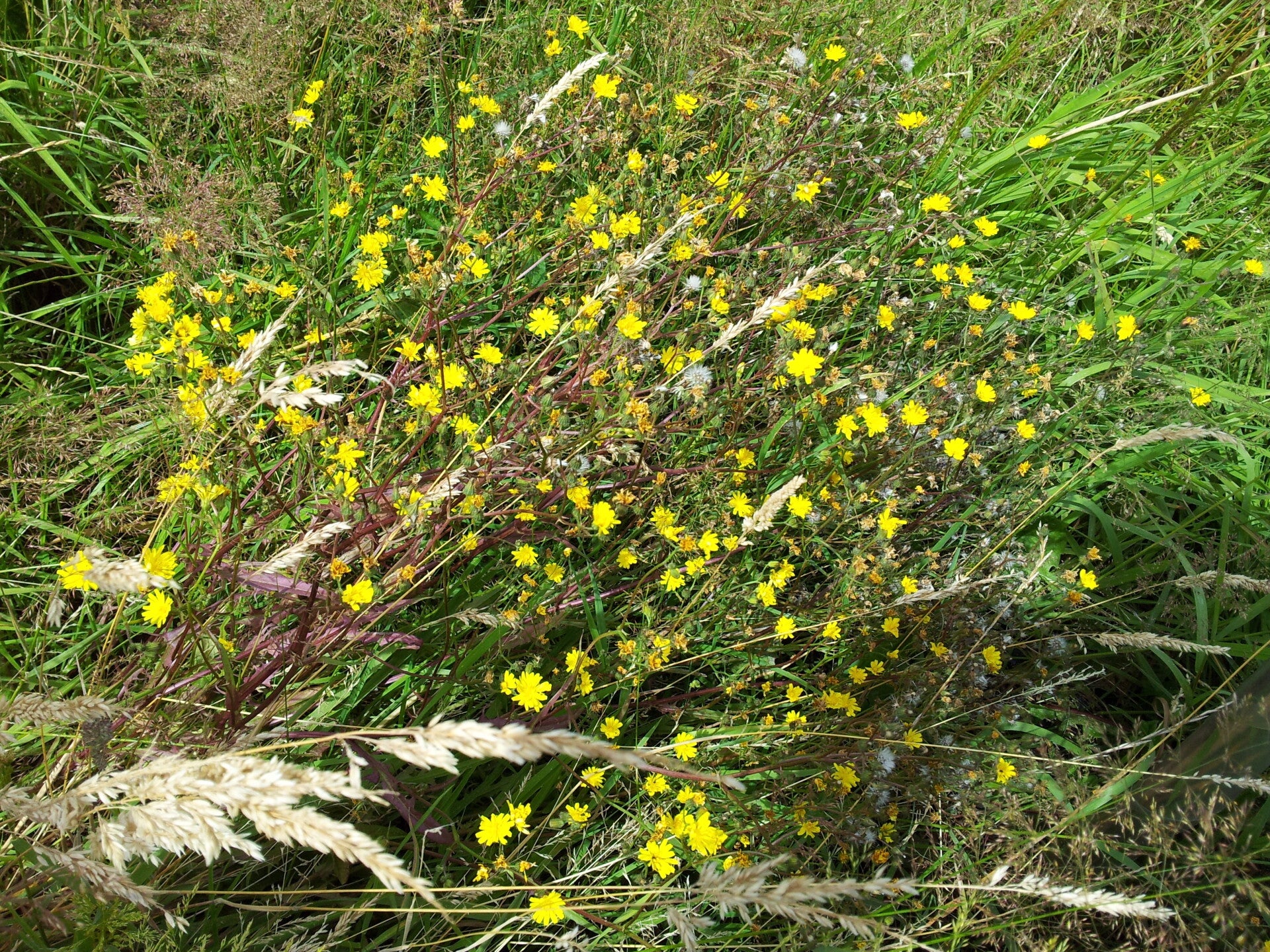
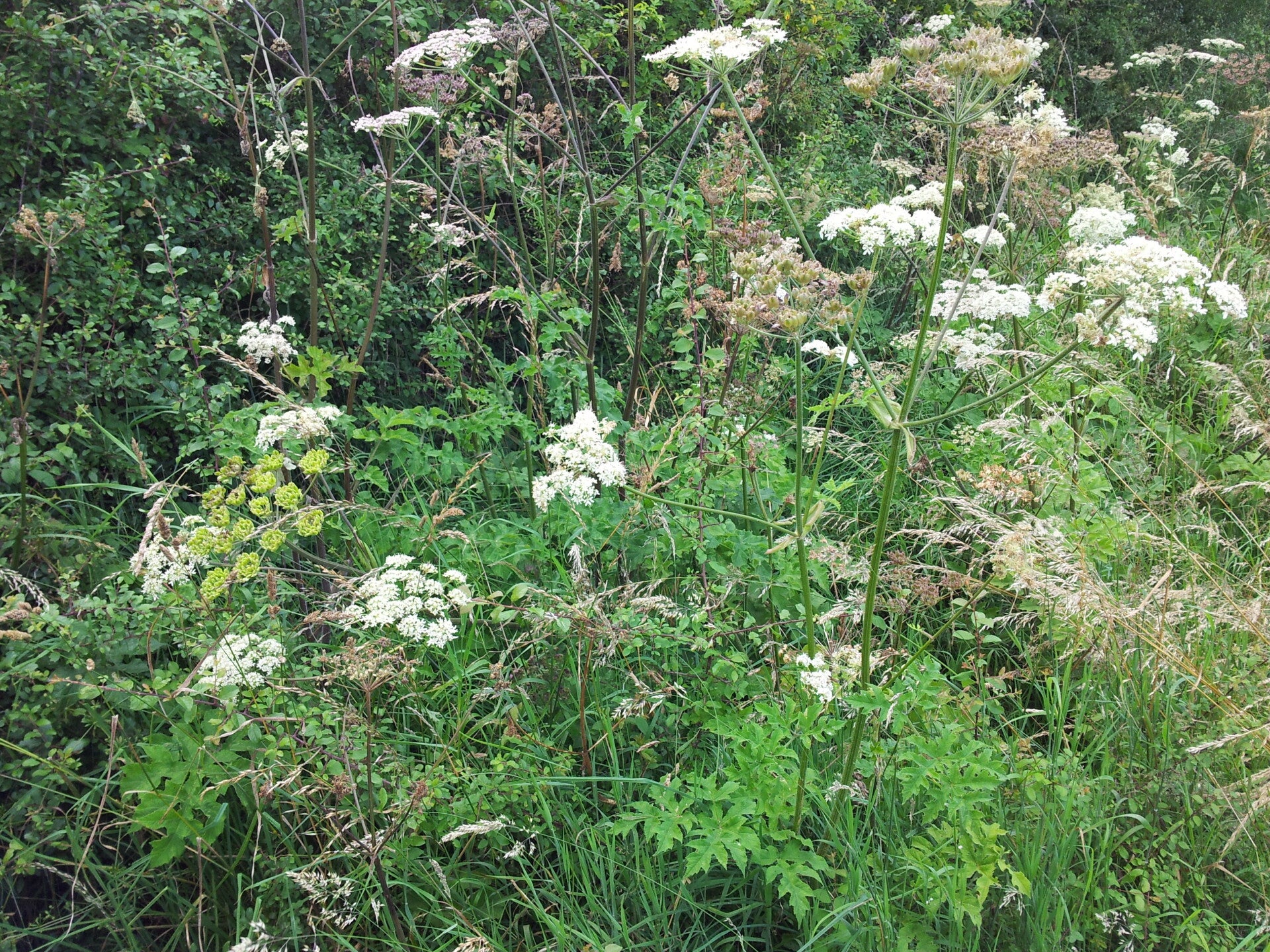


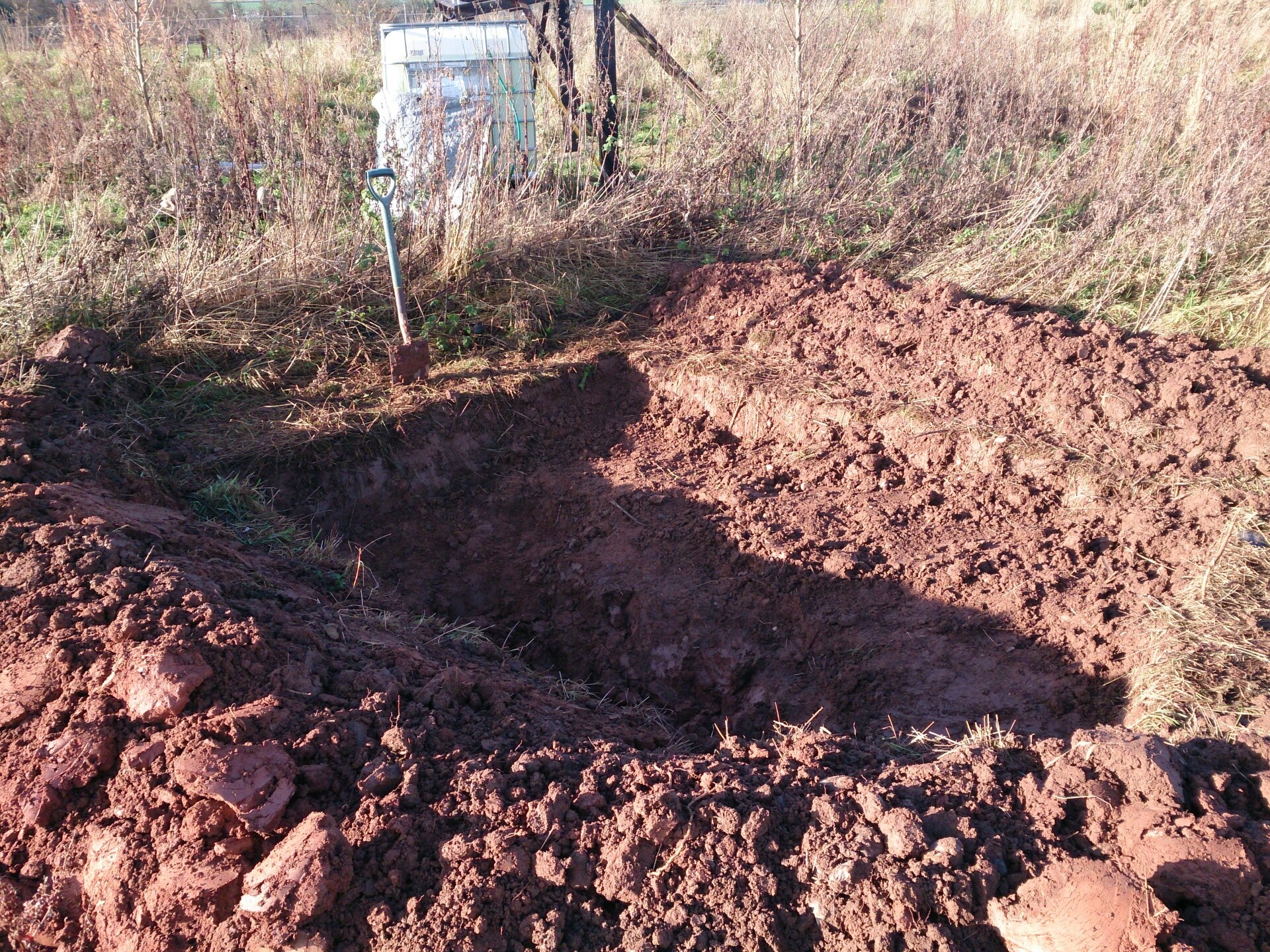
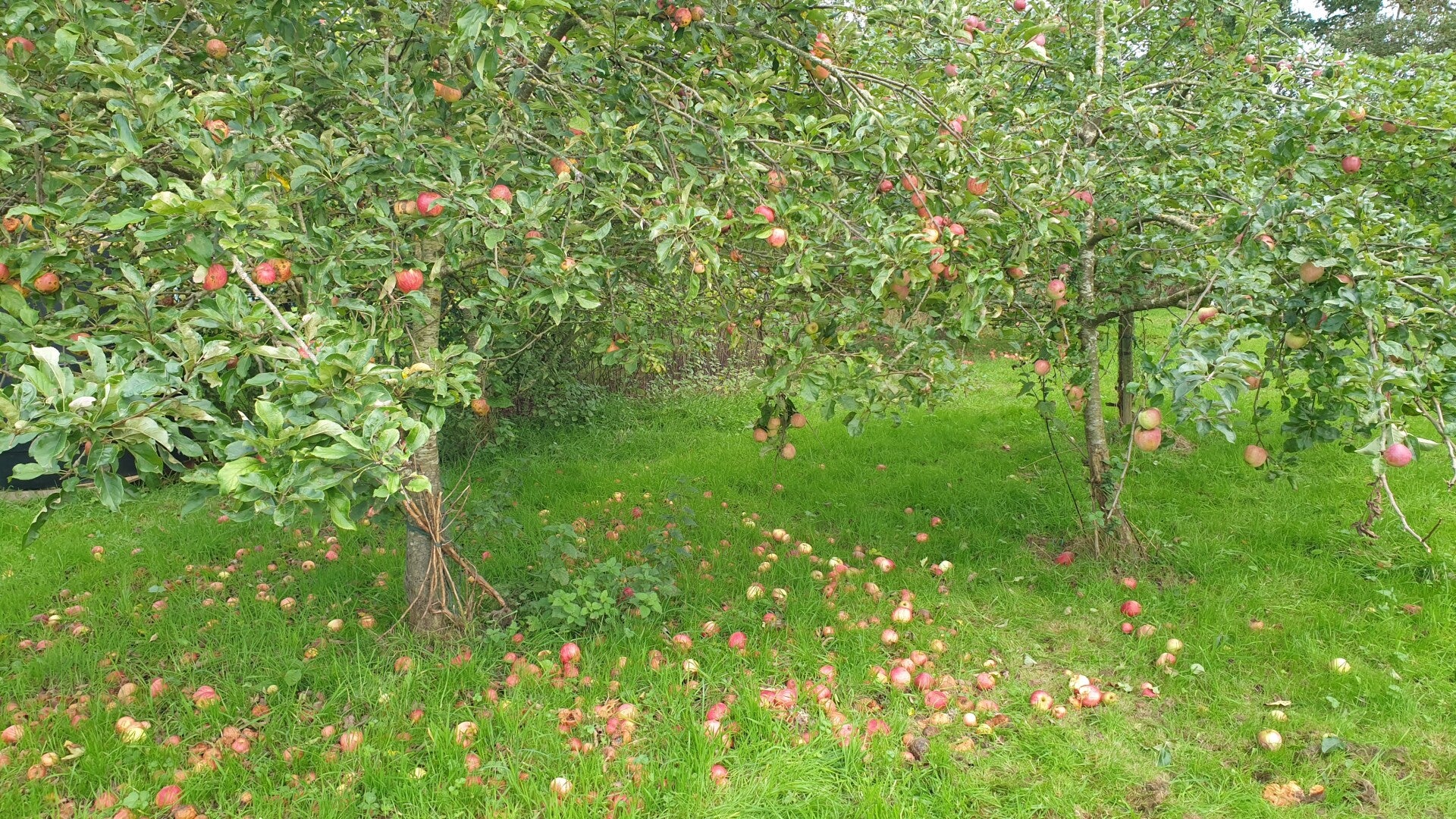
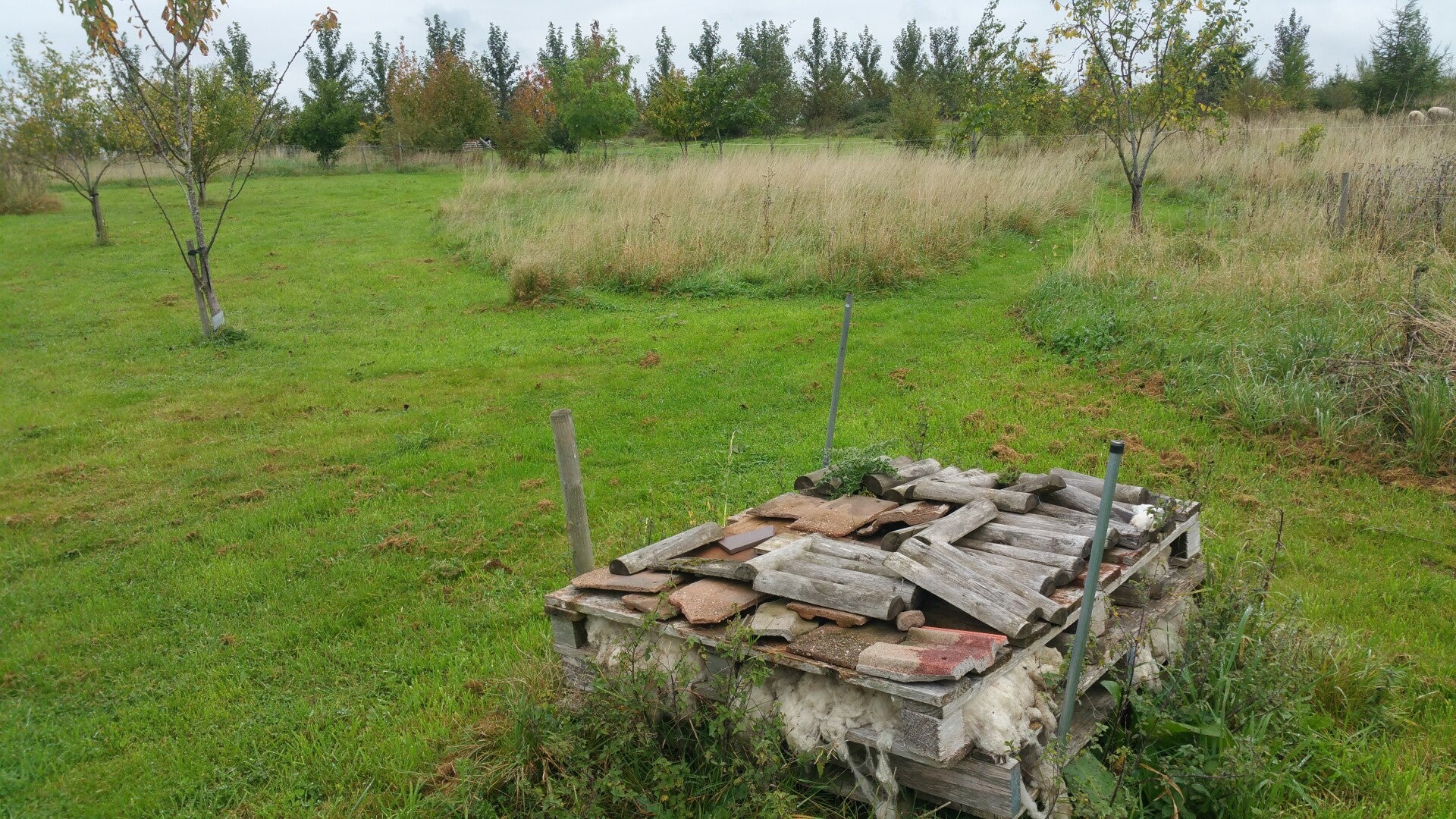
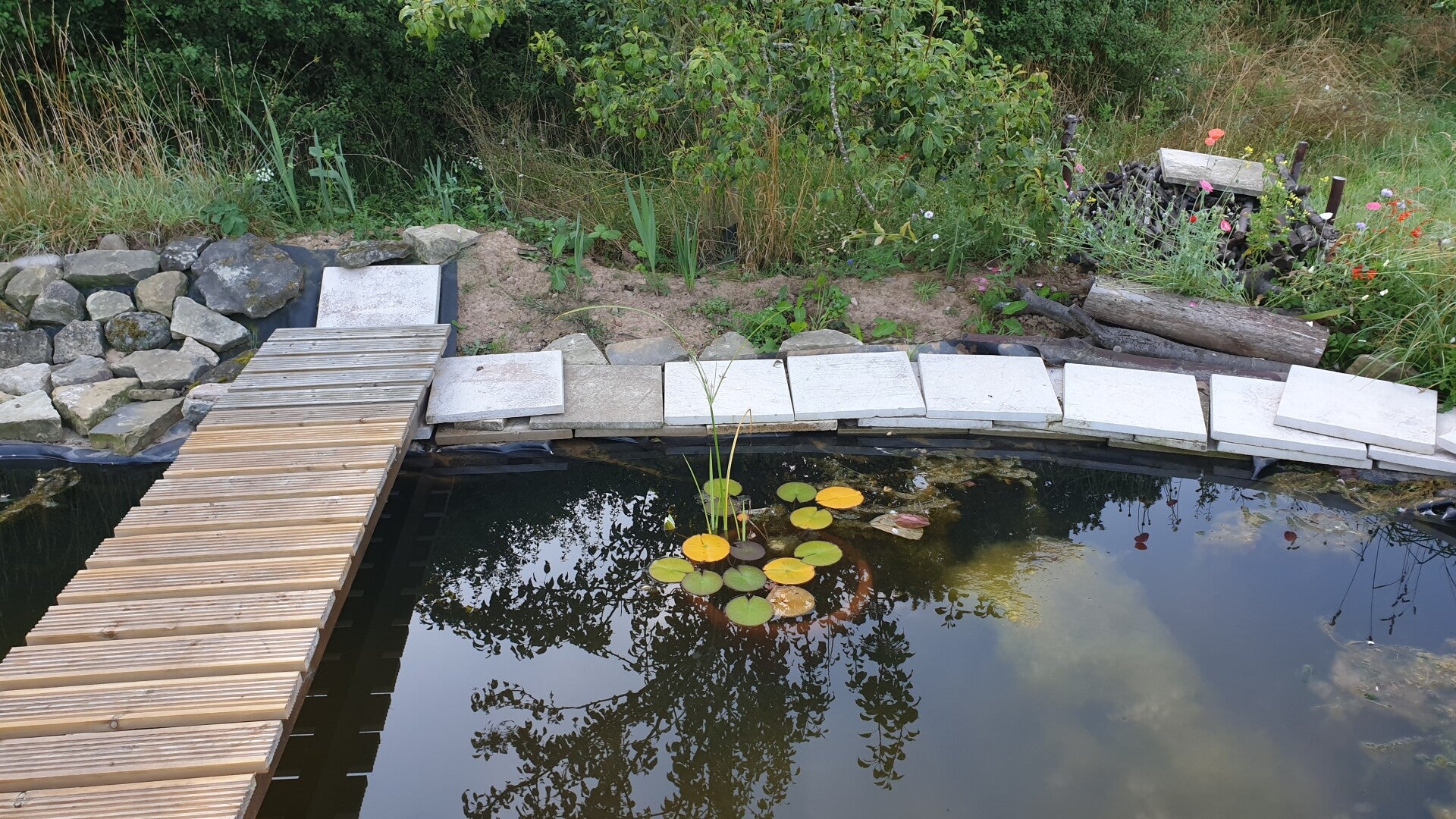
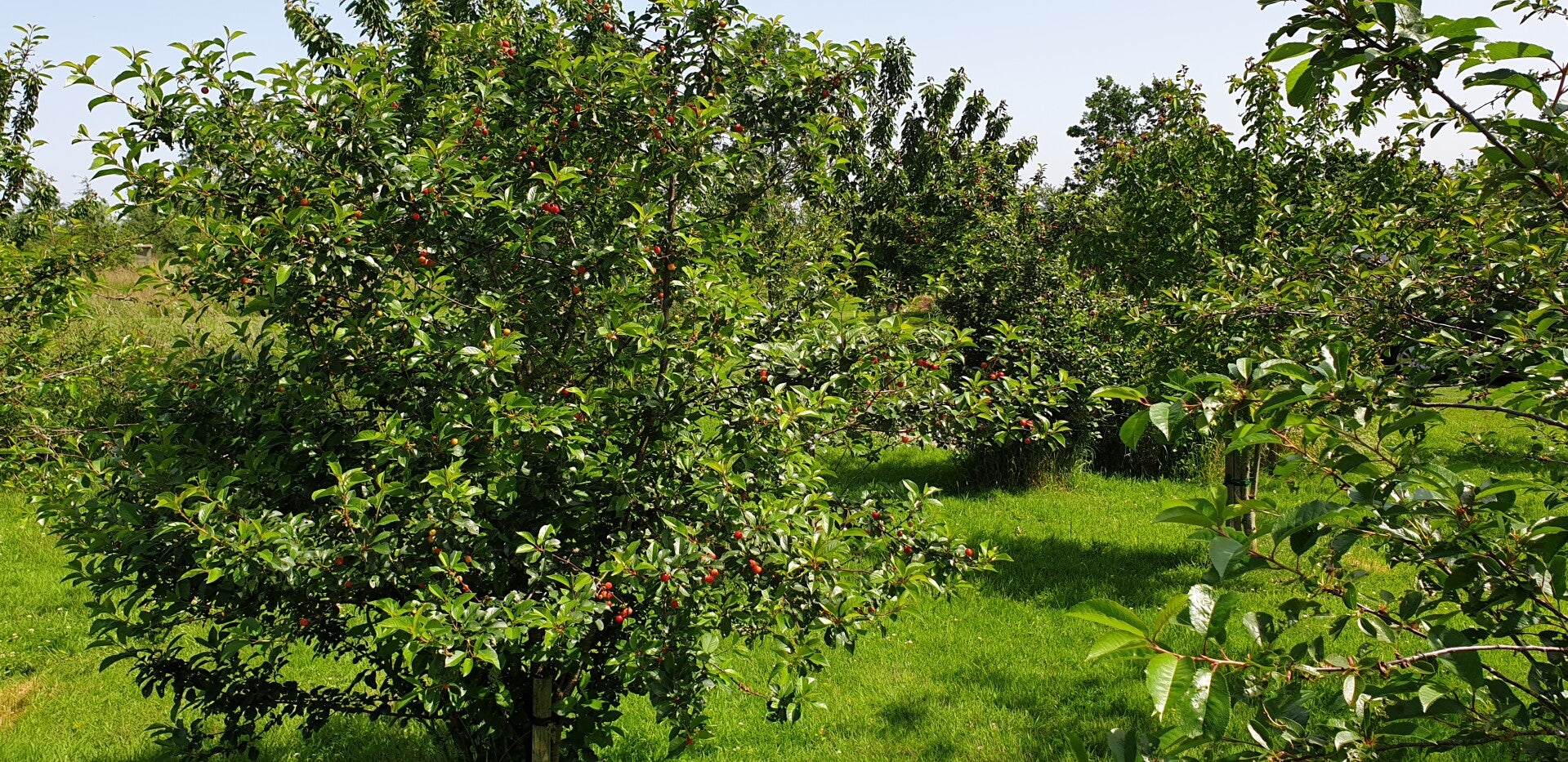

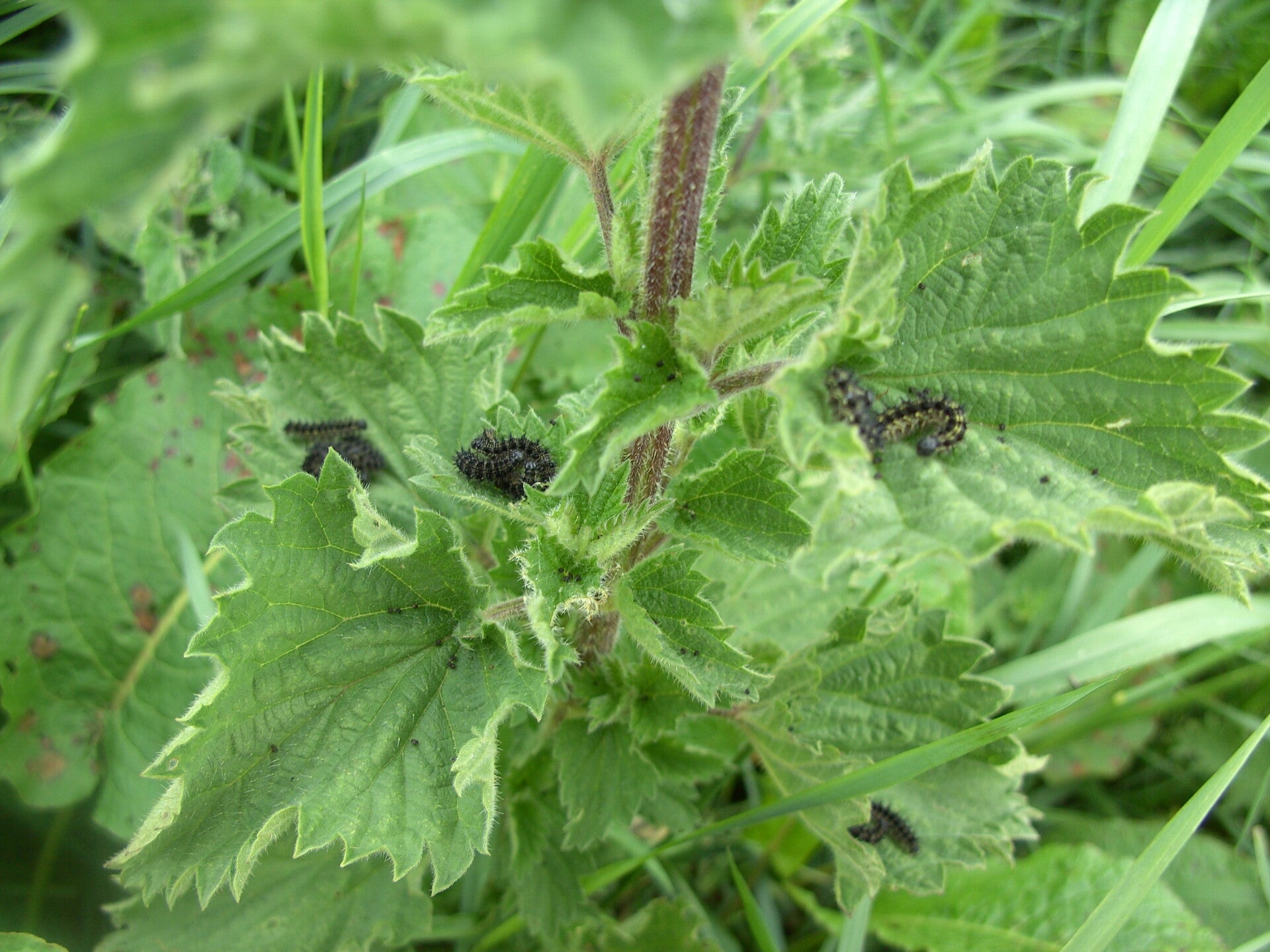
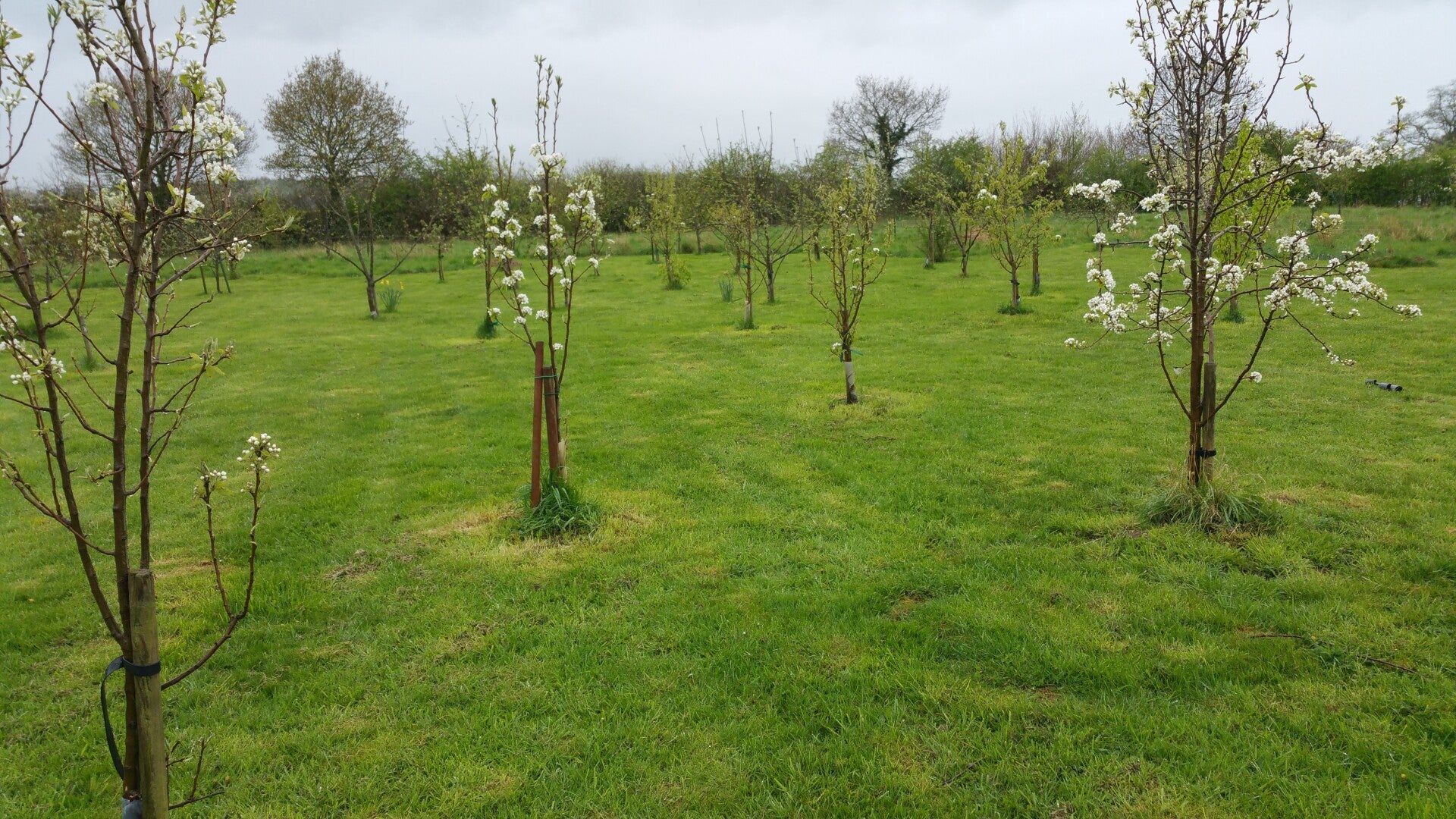
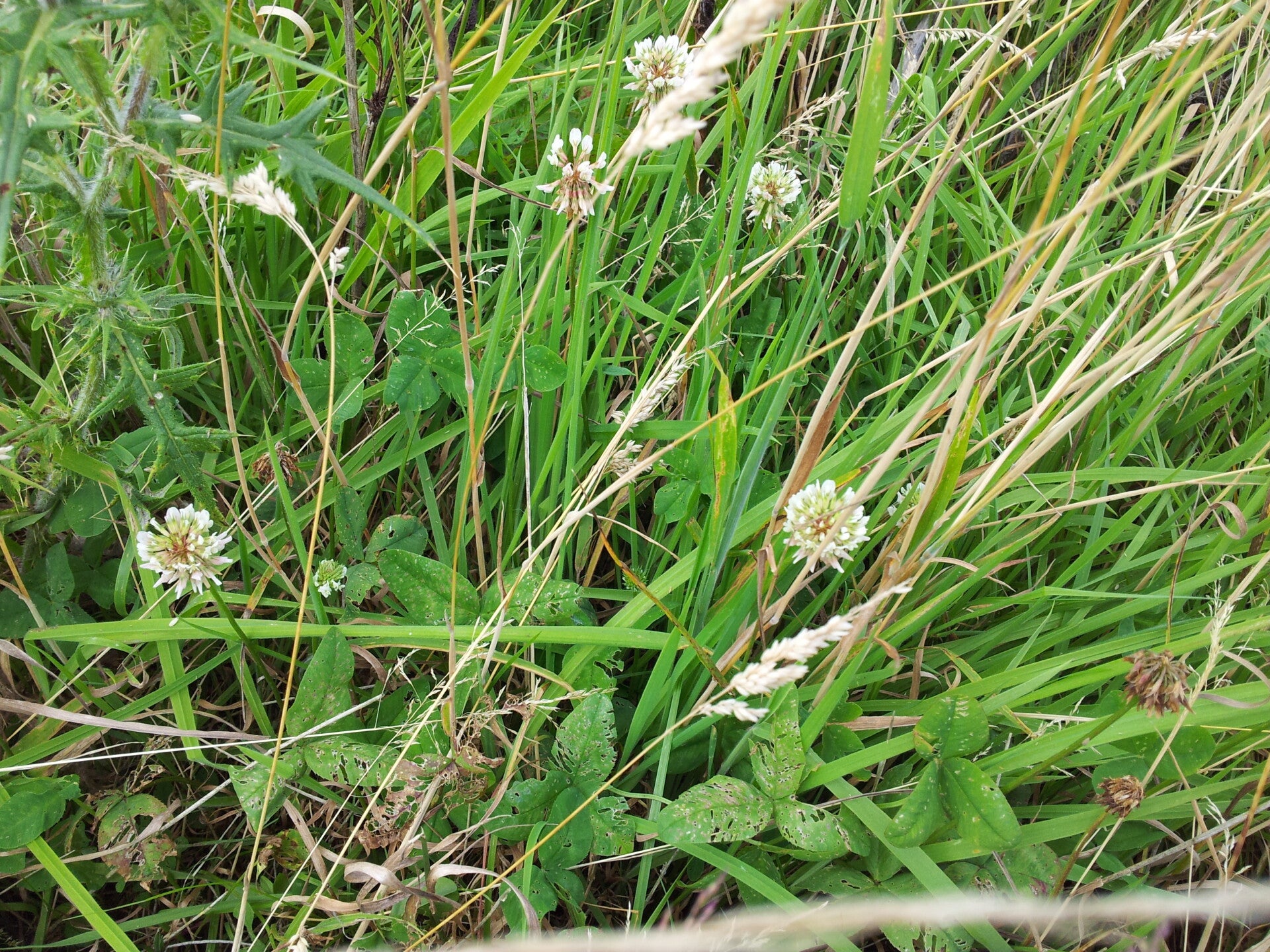

The adventure from changing an overgrazed neglected field with depleted soil to a dynamic, constantly evolving wildlife haven started in the winter of 2008. My objective was to explore the production of nutritious and viable food for human consumption in a sustainable way with nature. I have planted over 800 apple, pear, damson, cherry and plum trees with small numbers of walnut, sweet chestnut, apricot and the like. This was experimental to discover compatibility of trees best suited to the environmental conditions and potential soil structure. I have also planted well over a 1000 common indigenous trees including English oak.
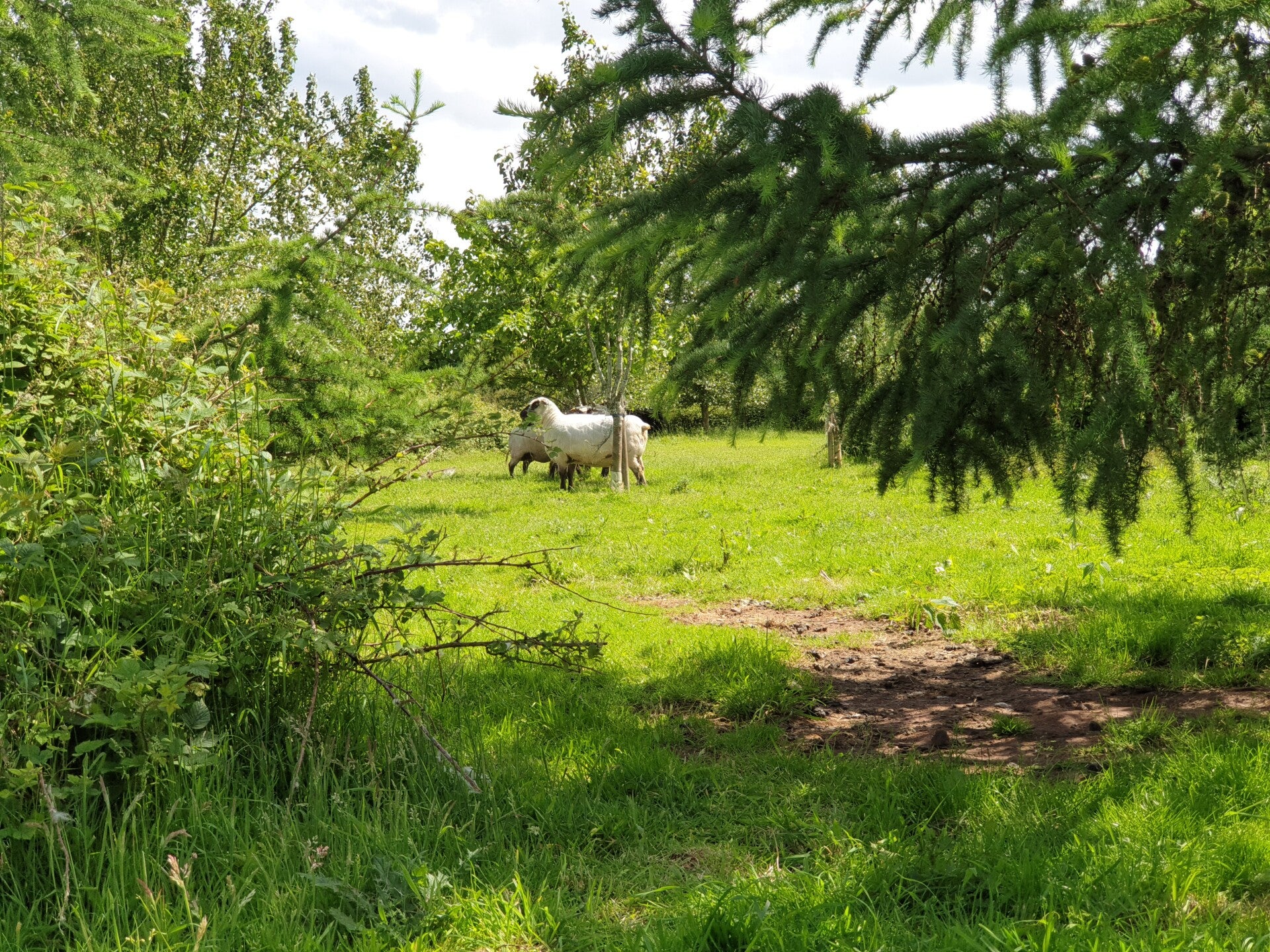
The soil nutrient levels were very low initially with a heavy clay loam. Quite early on I decided to rectify this using sheep to enhance and manage the soil. However to achieve this I needed the soil to recover enough to grow grass to sustain a small flock of 5 Shropshire sheep. This breed research told me were bred to minimise damage to the orchard environment. To even start this process took at least a couple of years and I will attempt to show how sheep have enhanced and helped me rewild and manage the site. The nature zones created over the last 15 years have their own individual characteristics and ecological environment on the small 5 acre site. I will try and show on this web site the journey of transition and maybe help other like minded people who have similar ambitions make a few less mistakes than I have. I can assure you there have been many.
Watching the drama of survival and competition between animals and invertebrates has brought a rollercoaster of pleasure, surprise and a good dollop of frustration and disappointment. An example has been the impact of moles who at first seemed very destructive. However their trails of destruction became useful in attracting predators and ensuring rainwater runoff was kept to a minimum. This was very important in the early years for young trees planted in winter but in need of watering in the summer before they were fully established. The action of moles after about 5 years slowed the exodus of water from the slightly sloping field that was critical to the project, especially in the last few years.
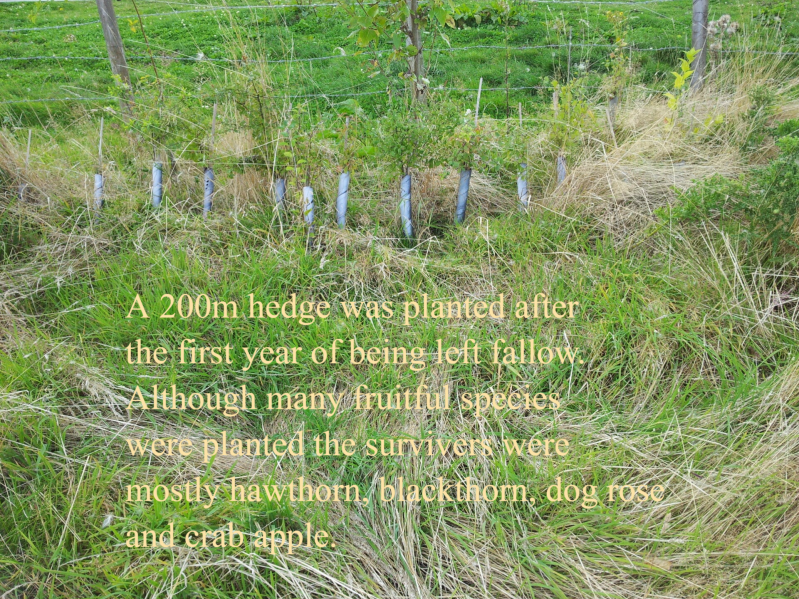
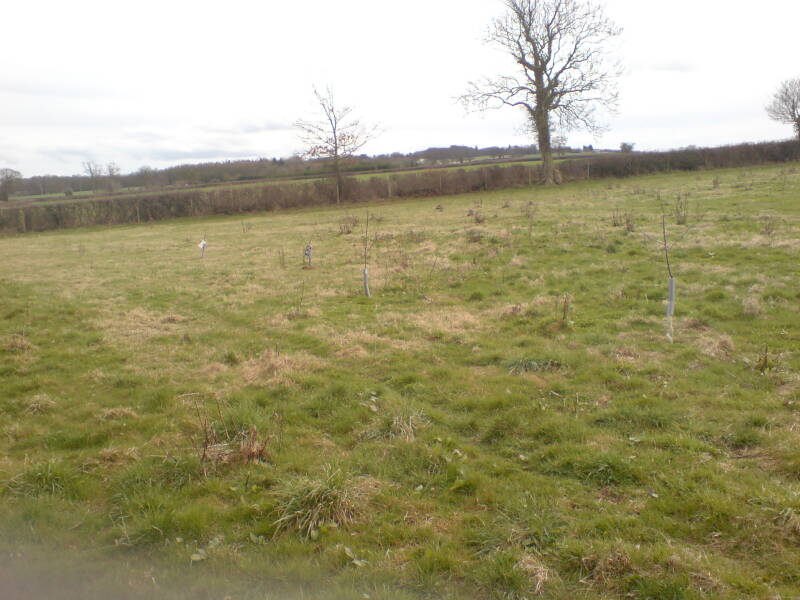
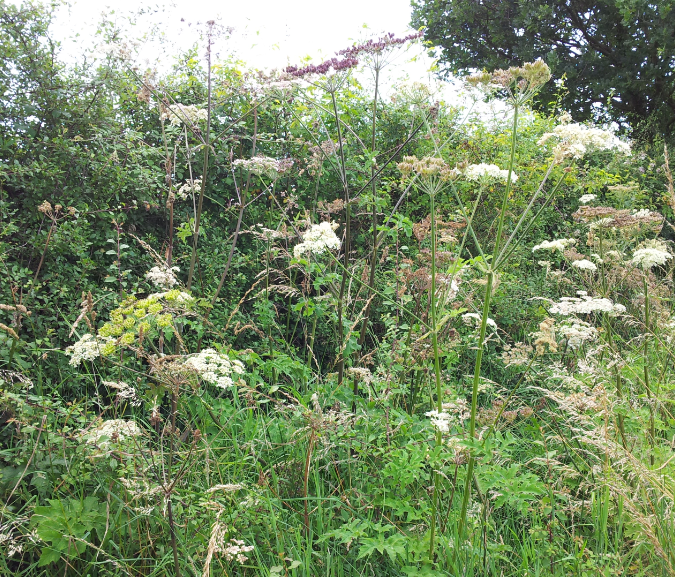
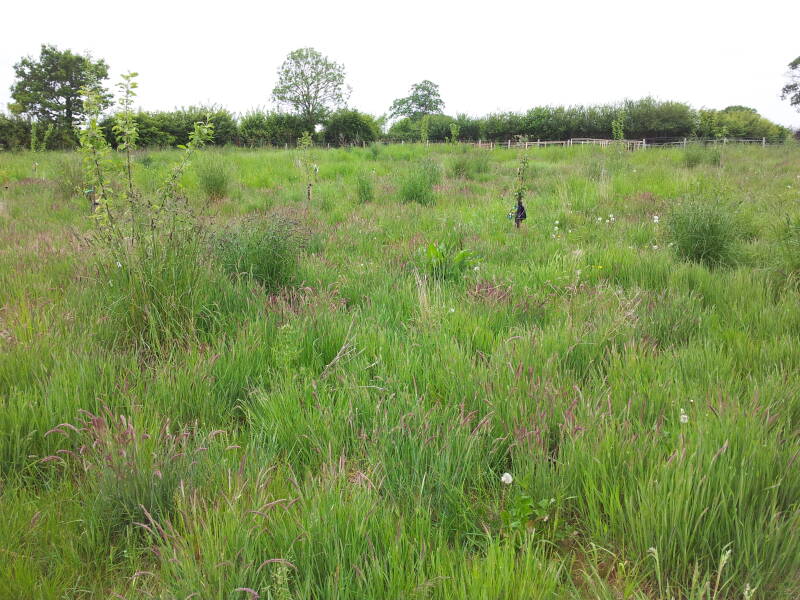
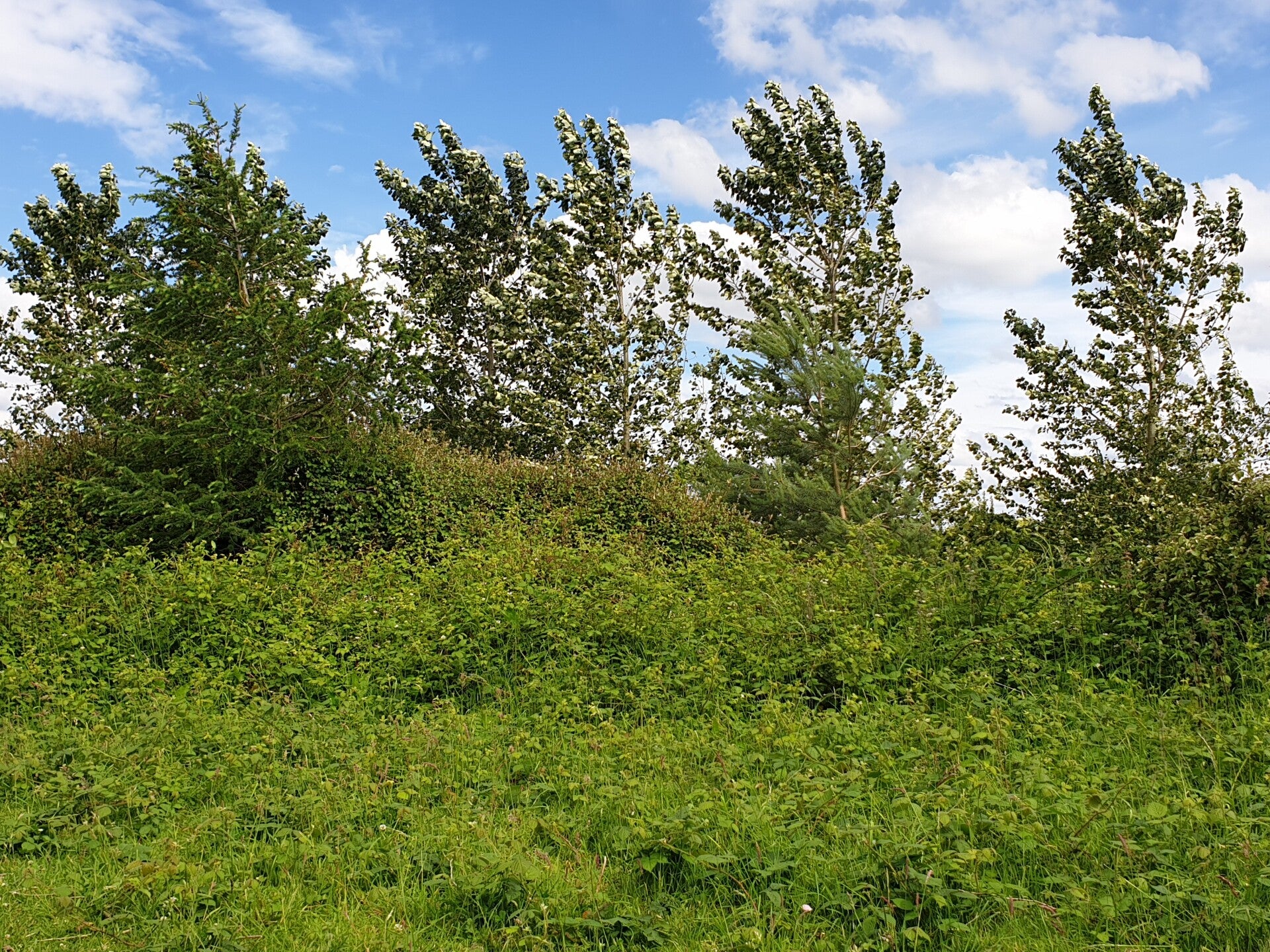
The various stages of plants and their role in creating healthy soil can be evidenced above. The picture on the left shows the boundary hedge and the right the field after 2 years of being left fallow. Although difficult to see, planting of saplings was taking place at this time. Some were only the height of the grass and fast growing plants like doc and thistle that left unchecked outcompeted young fruit trees for light, water and soil nutrients . Their presence was turned into an advantage by circular scything however. This acted as a mulch mat at the base of the tree and gentle landing for fruit when falling off the tree when ripe.
I was pleased to see a wide variety of grass types were present (probably having survived in local road verges or in hedgerows) which enabled me to identify which varieties were best suited to the soil moisture levels and other environmental conditions. It is also an indication of the sites history as an agricultural setting possibly as far back as medieval times.
THE SECTION - PICTORIAL DIARY FROM FIELD TO ORCHARD has itemised the journey in more detail